
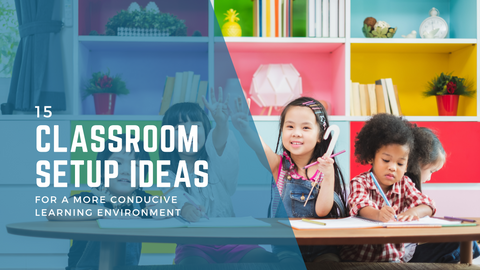
Today we're delving into creative and functional yet beautiful classroom setup ideas. Whether you're an experienced educator in search of a new classroom layout or a first-year teacher in search of ideas, these 15 suggestions will help you create a more conducive learning environment that encourages creativity and diversity.
When reimagining your classroom, plan your new arrangement before making any physical changes.
The easy-to-use online graphic design tools such as Canva are ideal for classroom layout planning. By following this systematic approach, you can virtually try out different setups until you find one that works for your classroom.
Idea #1: Flexible Seating Options for Diverse Learning Needs
Incorporating flexible seating into your classroom transforms it into a dynamic and versatile learning space. Visualize a classroom where flexible seating transforms the space into a lively and adaptive learning environment.
You can place an array of floor cushions for relaxed reading sessions, wobble stools ready for dynamic group discussions, and bean bags in snug corners for brainstorming.
Add in a few couches, perfectly positioned for activities like presenting skits or group presentations, creating a mini-theater vibe right in the classroom.
This flexible seating arrangement is particularly beneficial for subjects requiring collaborative work, like language arts and social studies, and supports various learning styles, catering to both energetic and contemplative students.
Pro-Tips For a Smart and Stylish Storage
- To complement this diversity, smart storage solutions are key. Use Toughooks for hanging coats and bags, keeping the classroom uncluttered. These hooks can be placed near the entrance or under workstations for convenience.
- For storing floor cushions, throw pillows, and maybe even small props for presentations, large bins or baskets are ideal, ensuring the space remains orderly and ready for any activity.
Idea #2: Refreshing the Traditional Classroom Setup
Traditional classroom setups, with their neat rows of desks facing the instructor, are a classic choice in many schools, particularly in higher education.
This structured arrangement, often termed the "sage on the stage" model, naturally focuses students' attention forward but can limit peer interaction. It's important to remember that students in the back rows might engage less, so keep an eye on them!
To make this setup more adaptable, try adding a section with individual desks - perfect for focused work or tests. Keep things organized with colored tape on the floor: green for student areas, red around the teacher's space, and yellow for smart board activities.
Quick Storage Hack
Toughooks are a game-changer for keeping traditional classrooms tidy. Placing them at the back or sides lets students hang coats and bags, clearing up floor space.
They're also great for organizing things like headphones or class supplies. Remember, a little organization goes a long way in maintaining an efficient learning space!
Idea #3: Welcoming Library Nook
Give your classroom a touch of warmth and welcome by setting up a library nook. Picture this: a cozy corner decked out with throw pillows for comfy seating, tiny desks or tables for writing, and a spread of picnic cloths on the floor, inviting students to sit down with a good book.
This nook provides a mini-sanctuary within the classroom that ignites a love for reading and provides a peaceful retreat for group discussions or individual study.
Quick Storage and Design Hack
Emphasize the importance of this space by making it the heart of your classroom. Arrange a variety of books on low shelves or in fabric organizers hung from Toughooks, making it easy for even the youngest learners to grab their next read.
The Toughooks can serve a dual purpose – use them to hang light decor or educational posters, adding an educational yet homey feel to the nook.

Idea #4: Innovative Storage Solutions in the Classroom
Maximizing classroom space while maintaining an organized and aesthetically pleasing environment can be challenging. A creative and functional solution to this is the use of storage ottomans.
Perfect for cramped spaces, these handy pieces come in all shapes and sizes, fitting right in with your classroom’s vibe. Stash away everything from books and supplies to those once-a-year festivity decors, all while giving your students extra spots to sit.
Pro-Tip: Smart Placement & Labeling
Strategically place these ottomans under bulletin boards or next to reading corners for easy access. Label them with fun stickers or tags to quickly spot what’s inside – a mini-lesson in organization for your students. For the little ones, try picture labels or bright colors.
Got Toughooks? Use them creatively!
- Hang small fabric organizers or mesh bags on them to store light items like soft toys or headsets.
- You can even hang clipboards with class schedules or learning aids right beside your ottomans.
Idea #5: Classroom Meets Library
Turn your classroom into a mini-library to spark a love for reading! It's all about making books irresistible to students. Ditch the traditional spine display; instead, use floating shelves to show off those captivating book covers. This not only saves space but also puts the books right in students' line of sight, inviting them to explore.
Quick Tip: Level Up with Toughooks
Toughooks aren't just for coats and bags. In your classroom library, they're perfect for hanging fabric pockets or small baskets filled with bookmarks, reading glasses, or even students' current reads.
You could also use them to display students' book recommendations or art inspired by their favorite stories, adding a personal touch to your library corner.
Idea #6: Make Collaborative Spaces!
Transform your classroom into a hub of collaboration with just a few fun furniture flips! It's amazing how a simple shuffle of desk arrangement can spark a whole new vibe of teamwork and interaction.
Desk Clusters
For group work, cluster the student desks into pods of four or five. This setup is perfect for projects and discussions, making it easy for students to face each other, share resources, and engage directly. It's a layout that invites open communication and collective problem-solving.
When it's time for a class discussion or a more democratic setting, shift those single desks into a large circle. This arrangement removes barriers, placing every student on an equal footing. It's ideal for fostering a sense of community and ensuring that everyone is seen and heard.
Adaptable Spaces
Switch it up by circling the wagons for class discussions. This flexibility allows you to tailor the room for various activities, whether it's group brainstorming, individual tasks, or full-class interactions. Also, leave enough space between clusters or around the circle to allow easy movement and accessibility.
Idea #7: Designing a Sensory Area in the Classroom
In an inclusive classroom, catering to the diverse needs of students is essential for their overall growth and well-being. One impactful way to achieve this is by creating a dedicated sensory area.
This space, equipped with sensory toys and materials, provides a safe and calming environment for students who might need a break from the traditional classroom setting or require sensory stimulation.
Creating a Calming Sensory Space
Think of this area as a mini oasis of calm. It's not just for kids with sensory needs; it's a quiet zone where any student can unwind for a bit.
Fill it with fun sensory toys that help with focus, like fidget spinners or soft textures. It's a great little nook for de-stressing and getting back on track.
Maximizing the Use of the Sensory Area
Set some ground rules so this inviting space stays a peaceful retreat. And hey, why not switch up the sensory goodies now and then? It keeps things interesting and caters to different needs.
This sensory spot isn’t just a corner; it’s a crucial tool for helping all your students find their zen.
Idea #8: Celebrating Diversity through Culture!
Let's turn your classroom into a global village! Deck out your space with cool stuff from around the world – think vibrant artworks, maps, traditional fabrics, and photos that celebrate the diverse cultures of your students. It's like taking a mini world tour every time you step into class.
Spruce up those classroom wall spaces and shelves with cultural treasures. Even better, get students to bring in items from their heritage! It's a fab way to make everyone feel seen and valued.
Don't forget the library corner – pack it with books from across the globe to give a taste of different languages and stories.
Quick Tip: Keep It Real and Respectful
Chat with students and their families to get the real scoop on their cultures. It's all about celebrating diversity in a way that's genuine and brings everyone closer.
Idea #9: Organized Storage Solutions
Creating an organized classroom is key to an efficient and stress-free learning environment. Shelves are great for those books and display items, while bins are ace for all the small stuff like pens and craft supplies.
You can also use clear labels to let everyone know where things belong, making tidying up a breeze.
Another favorite hack of ours would be to use Toughooks!
Creative Uses of Toughooks
- Stationery Hangout: Forget the usual pen pots. Hang small fabric pouches on Toughooks for a quirky twist on storing pens, markers, and scissors. It's a fun, space-saving way to keep all those writing essentials handy.
- Art Corner Organizer: Transform a corner into an artist's haven. Use Toughooks to hang mesh bags filled with art materials – think bundles of colored pencils, paintbrushes, or even rolls of colored paper. It's like having an art store right in your classroom!
- Learning Aids: Keep those frequently used teaching aids within easy reach. Attach clipboards with educational posters or daily schedules on Toughooks.
Idea #10: Creative Art Area
Alright, folks, it's time to get those creative juices flowing! We're talking about a dedicated art corner in the classroom where imagination knows no bounds.
Designating a specific area in the classroom for art supplies and creative projects encourages this artistic exploration.
This physical space should be equipped with a variety of materials, such as paints, brushes, glue sticks paper clips, and clay, and be arranged in a way that is easily accessible to students. The art area can also serve as a gallery to display students' artwork, celebrating their creativity and effort.
Idea #11: Health and Wellness Corner
Incorporating a health and wellness corner in the classroom underscores the importance of health education. This small area can house basic first aid supplies, a water dispenser, and informational posters about healthy lifestyle choices.
It can also be a place where students learn about hygiene, nutrition, and physical well-being. This corner not only serves as a practical resource but also as an ongoing educational tool for promoting healthy habits.
Idea #12: Teacher’s Corner
A well-organized teacher’s corner is essential for classroom management. This area should be approachable and contain all the necessary teaching materials, such as lesson plans, assessment tools, and educational resources.
Keeping this area organized and accessible helps the teacher stay prepared and efficient, ultimately benefiting the entire classroom dynamic.
Idea #13: Interactive Bulletin Boards
Interactive bulletin boards are a dynamic element in any classroom. Rather than being purely decorative, these boards can be used as learning tools where students actively contribute.
This can include question boards, where students post queries and answers; a word of the week board; or a board for class projects and announcements. These interactive elements foster a sense of community and engagement in the classroom.
Idea #14: Technology Integration
In the digital age, integrating technology into the classroom is crucial. Smart boards, tablets, and computers should be a staple in modern classrooms, enhancing the learning experience and preparing students for a technology-driven world.
It’s important to ensure that these technologies are user-friendly and accessible to all students. Technology can be used for interactive lessons, research, and developing digital literacy skills, making learning more engaging and relevant.

Idea 15: Learning Stations for Interactive Learning
Transform your classroom into a hub of interactive learning with the implementation of learning stations. Here are some examples of how you can set up and use them effectively:
- Writing Station: Set up a writing table with various writing tools, notebooks, and writing prompts. Students can use this station for journaling, creative writing, or working on assignments.
- Art Station: Dedicate an area for artistic expression with art supplies like paints, brushes, paper, and clay. Display student artwork on the wall space to inspire creativity.
- Science Station: Arrange a science corner with microscopes, lab equipment, and hands-on experiments. This station fosters curiosity and exploration of scientific concepts.
- Math Station: Design a math area with math manipulatives, puzzles, and interactive math games. Students can use this dedicated space to practice math skills and problem-solving.

Final Thoughts
We hope these classroom setup ideas inspire you to create an ideal space that is not only conducive to learning but also reflective of the diverse needs and creativity of your students.
You can transform your classroom into a dynamic, inclusive, and engaging learning environment by embracing these innovative concepts.